
 PT
PT ES
ESClinical conditions
How we treat each condition
The most common patient concerns, explained one by one — what it is, why it happens and which SKIMS Method protocols treat each condition.
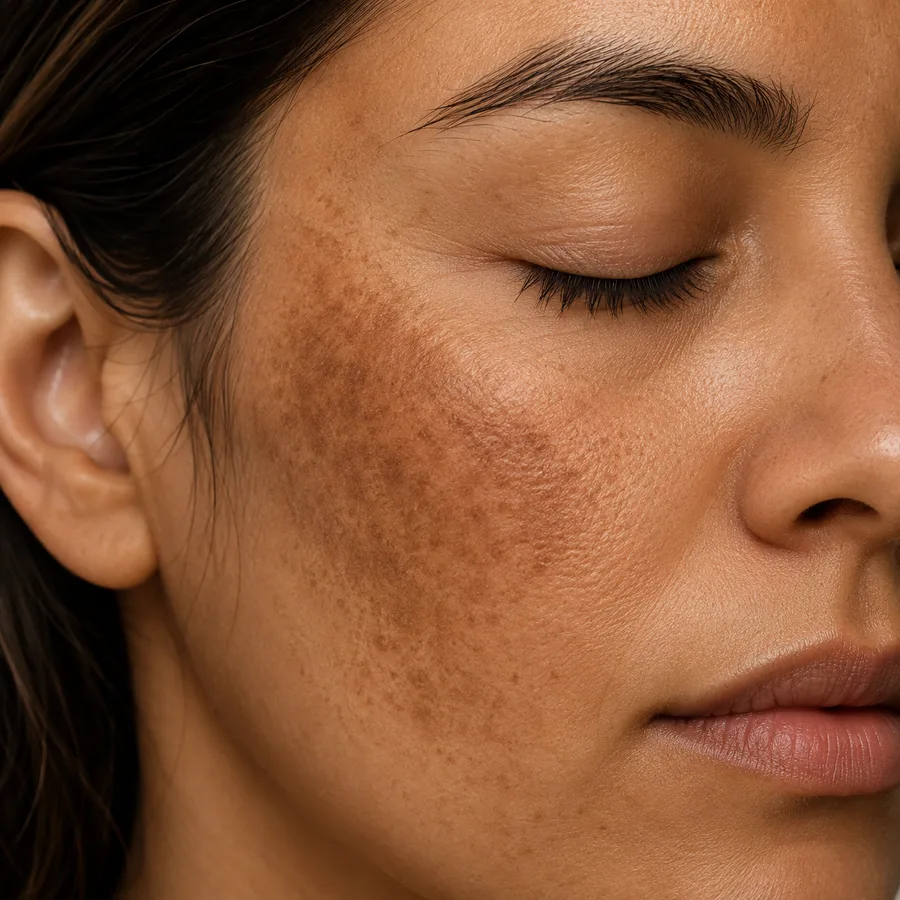
Melasma
Brownish, usually symmetrical patches that appear on the face — mainly the cheeks, forehead and upper lip — associated with hormones and sun exposure.
See how to treat →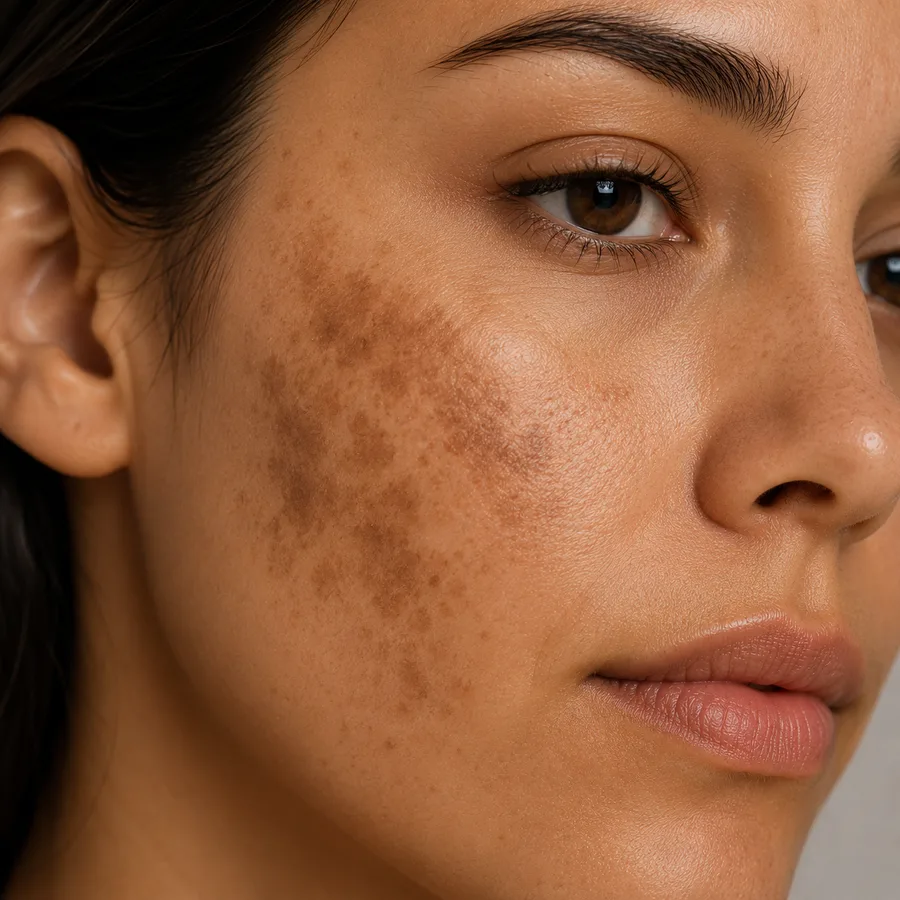
Dark spots and hyperpigmentation
Sun spots, age spots or marks left by acne — different from melasma, which is its own clinical condition.
See how to treat →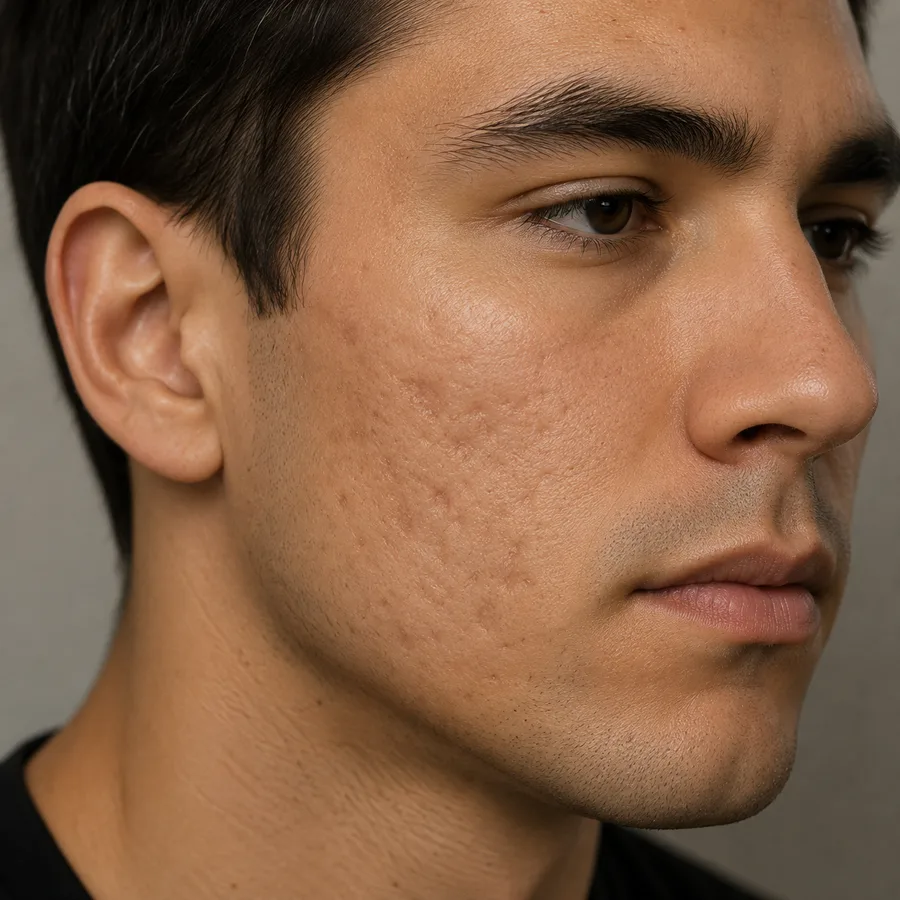
Acne scars
Deep or superficial scars left by acne (Ice Pick, Boxcar and Rolling types) — different from a post-acne dark mark, which is pigmentation, not an indentation.
See how to treat →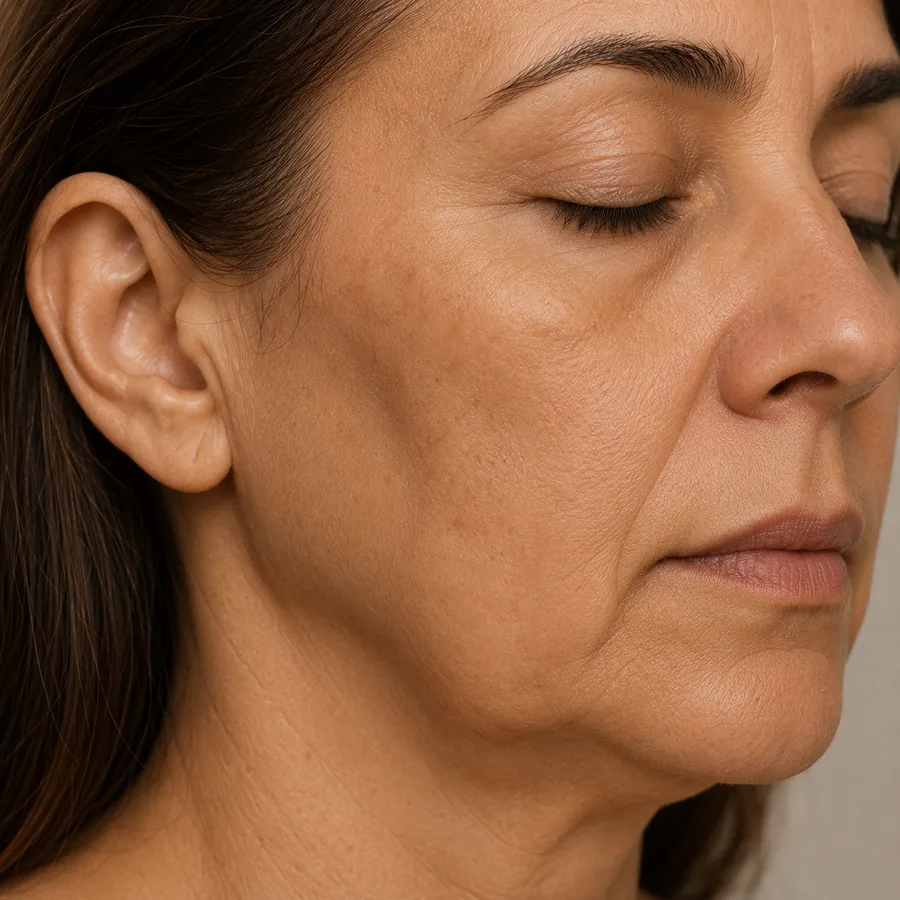
Facial laxity
Loss of firmness and support in the facial skin, with sagging of the facial contour.
See how to treat →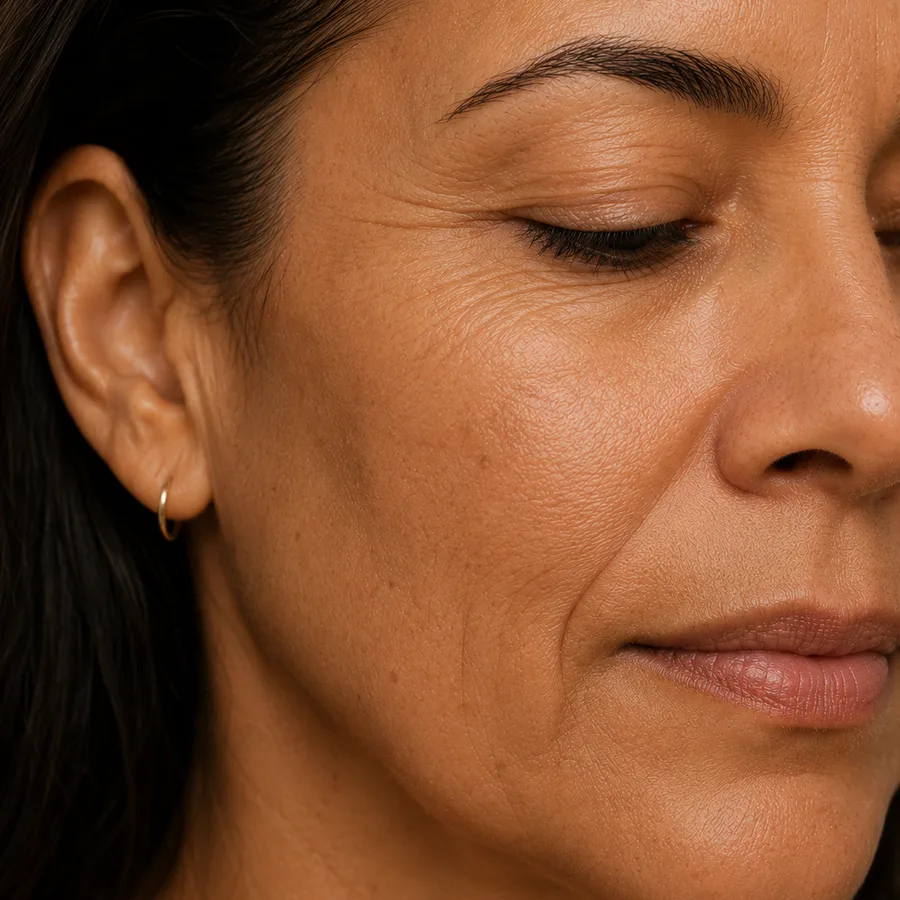
Wrinkles and expression lines
Static or dynamic wrinkles caused by repeated muscle movement and collagen loss.
See how to treat →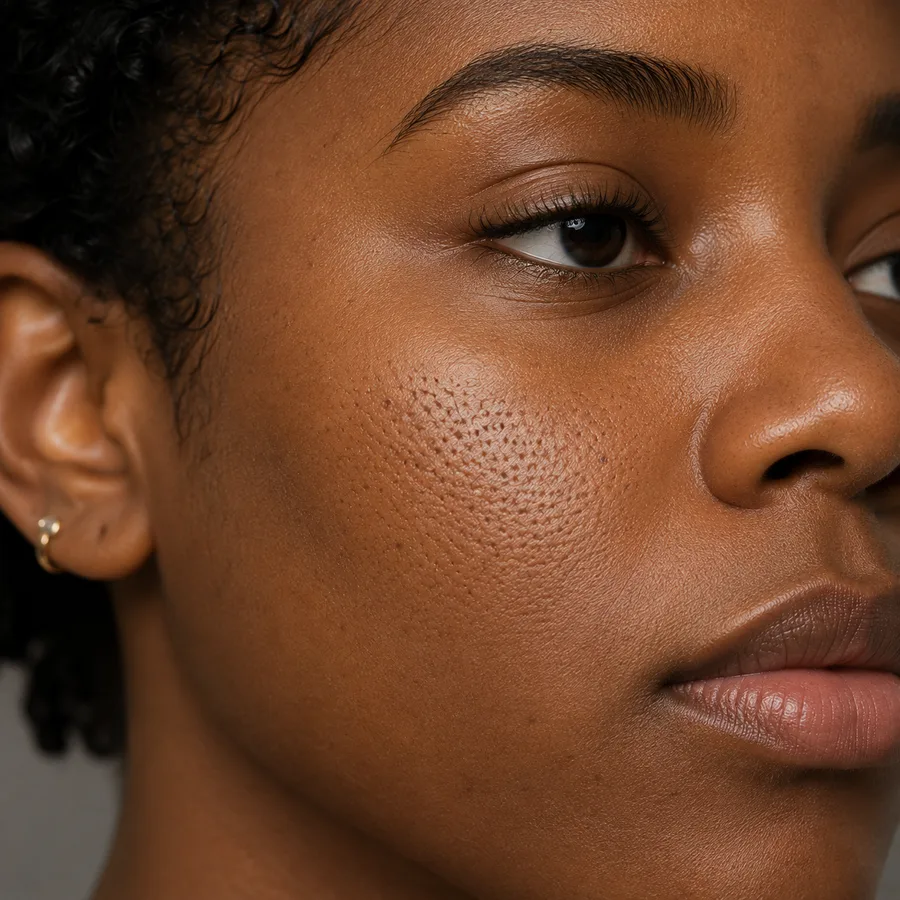
Enlarged pores
Visibly enlarged pores, common in the first signs of skin aging.
See how to treat →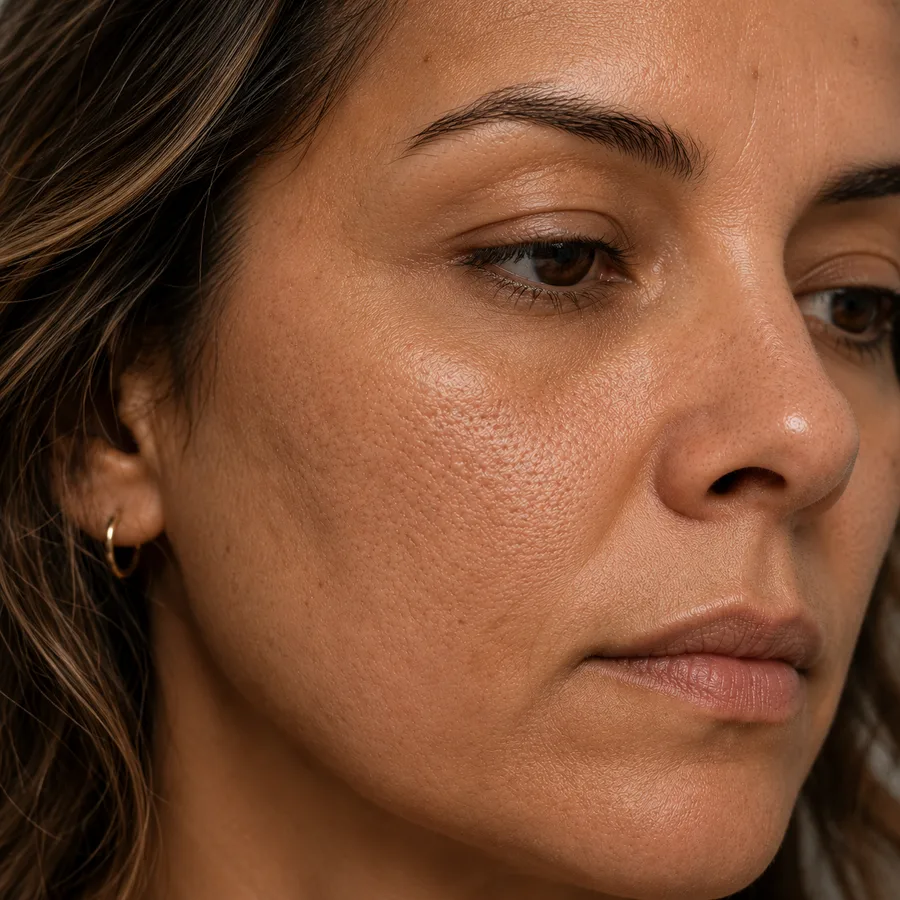
Irregular texture
A skin surface that feels uneven to the touch, lacking uniformity.
See how to treat →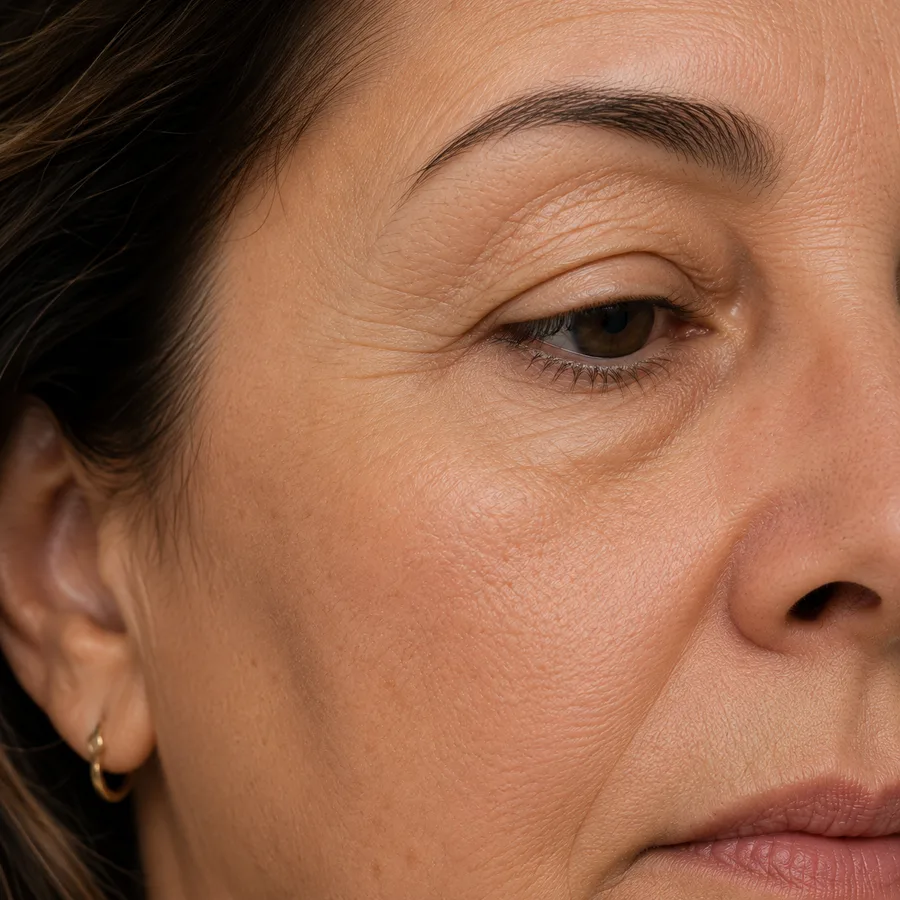
Excess eyelid skin
Excess skin and laxity in the upper and/or lower eyelids.
See how to treat →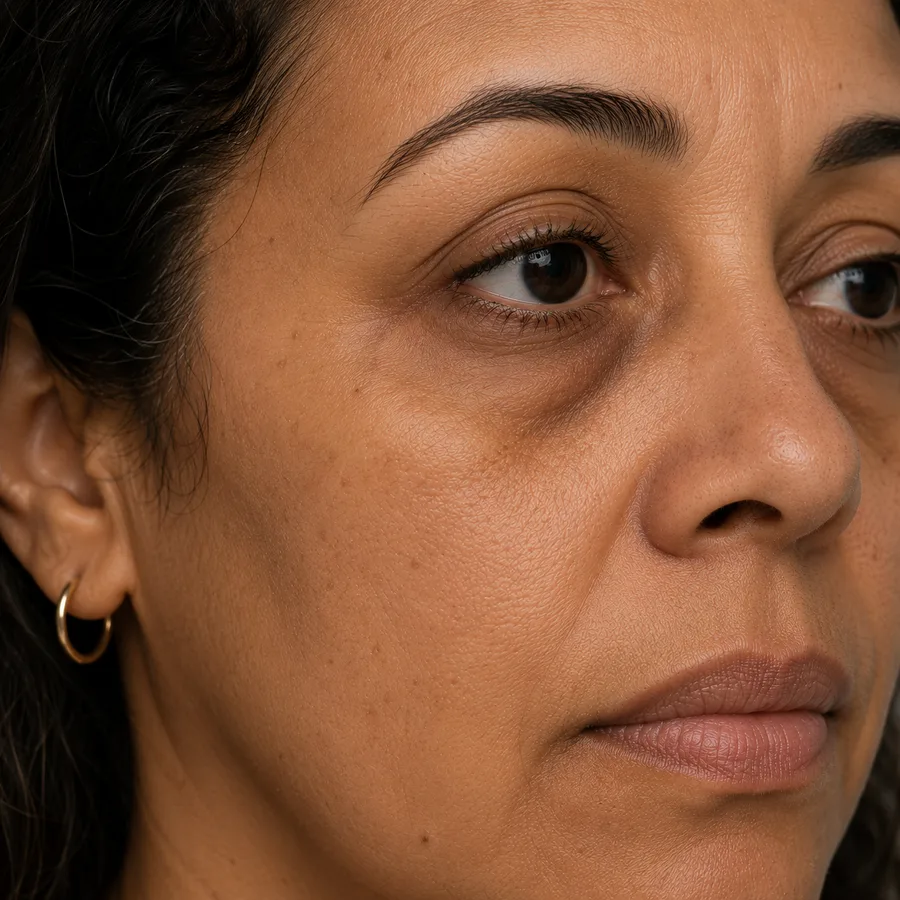
Under-eye circles
Pigmented under-eye circles, of genetic or acquired origin.
See how to treat →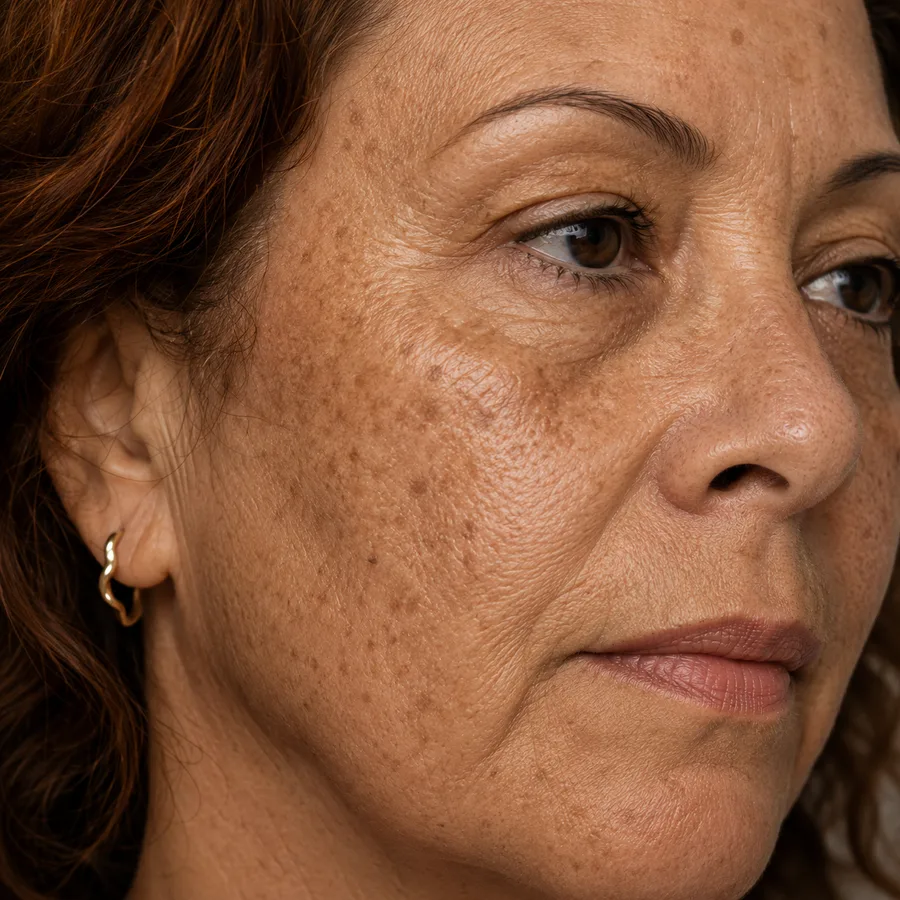
Photoaging
Skin aging accelerated by cumulative sun exposure over the years.
See how to treat →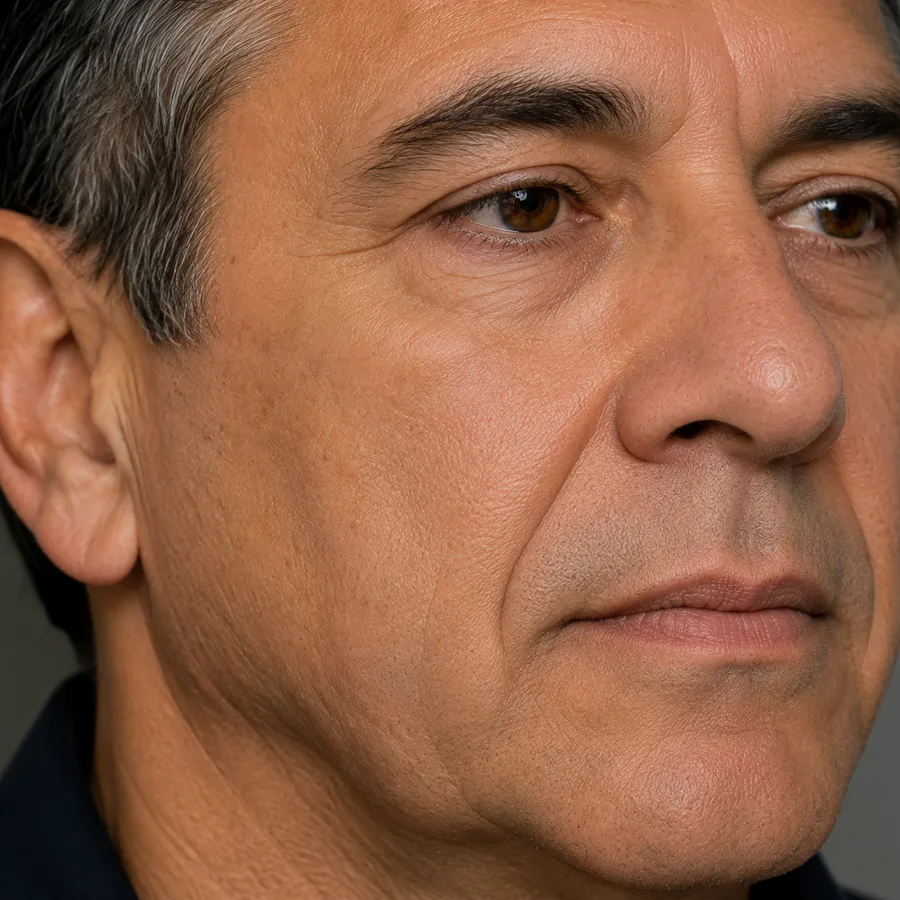
Nasolabial folds
The groove between the nose and mouth, more noticeable with loss of facial volume and firmness. There is no single treatment specifically for nasolabial folds — it is an aesthetic concern addressed with a personalized approach that may combine different techniques (such as facial filler and collagen biostimulators), based on individual clinical evaluation.
See how to treat →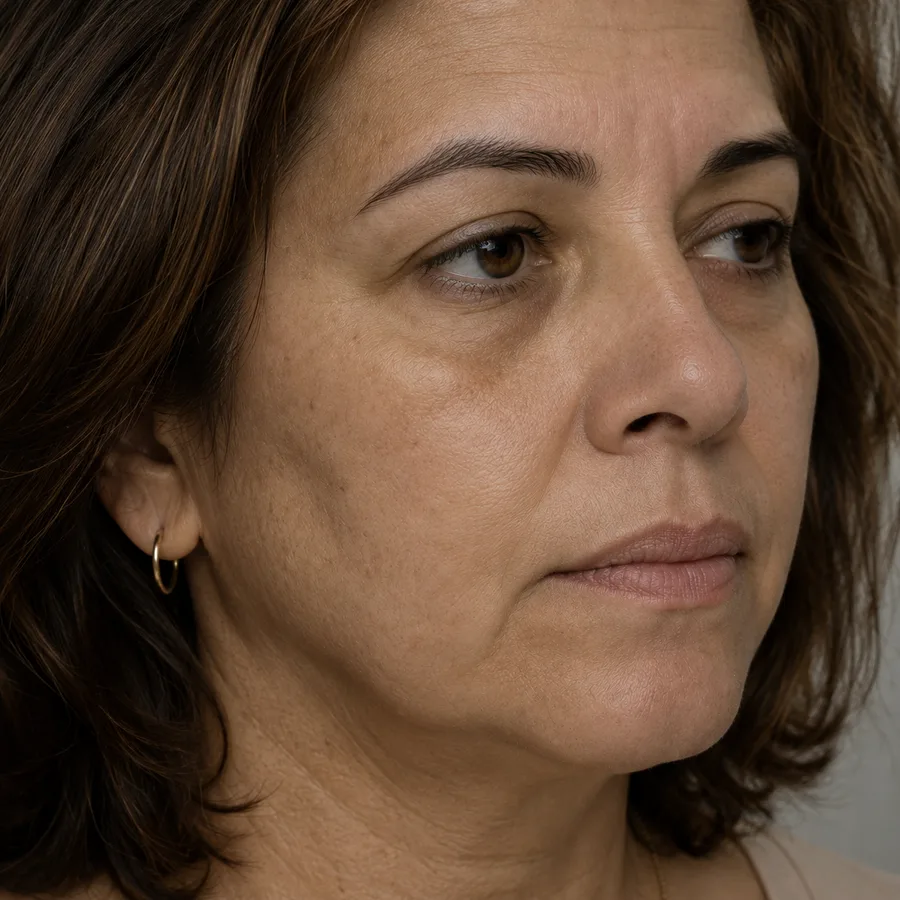
Dull, lackluster skin
Lack of natural radiance and glow in the skin.
See how to treat →